
Cozumel Cave Systems – Underwater Caves Beneath the Jungle
Most visitors to Cozumel know the island for its coral reefs and drift diving along the Caribbean coast. Few realize that beneath the jungle and limestone surface of the island lies a network of submerged caves formed over thousands of years.
These underwater caves developed through the dissolution of limestone bedrock, creating passages that were later flooded as sea levels rose.
Although the cave systems of Cozumel are smaller and less extensive than the vast cave networks of the nearby Yucatán mainland, they provide a fascinating glimpse into the island’s geological history.
An overview of the underwater cave networks beneath Cozumel’s jungle.
Beneath Cozumel’s dense jungle lies a vast network of submerged cave systems formed within the island’s limestone base. These systems extend horizontally through the rock, shaped by freshwater flow and geological time long before sea levels rose to submerge them. Today, they represent one of the region’s most significant underwater exploration environments.
What appears on the surface as quiet terrain conceals passageways that continue to expand through disciplined mapping and incremental exploration.
Geology of Cozumel’s Subterranean Systems
Cozumel’s cave systems formed within limestone during periods when sea levels were significantly lower than they are today. At that time, many of these passages were dry, air-filled caves shaped by the slow dissolution of rock through freshwater movement.
During these dry phases, mineral-rich water dripping from ceilings created speleothems, stalactites, stalagmites, columns, and flowstone, features that remain preserved within the submerged cave systems today. As sea levels rose, the passages flooded, transforming once-dry chambers into underwater environments while leaving their geological record intact.
The presence of speleothems provides clear evidence of this history, marking a transition from dry cave formation to fully submerged systems.
Significance of Cozumel’s Cave Systems
Many Cozumel cave systems consist of extended main passages interspersed with side corridors, vertical features, and occasional larger chambers. The layout can be complex, particularly where systems intersect or approach connection.
While significant portions have been mapped, exploration remains ongoing. System expansion often involves identifying potential leads, verifying continuity, and carefully documenting new passage before formal inclusion in survey records.
Depth Characteristics of Cozumel Caves
Many of the caves beneath the jungle of Cozumel occur at relatively shallow depths.
Typical cave passages are often found between approximately 15 and 60 feet (4.5–18 meters).
Some caves, such as Chempita and Tres Potrillos, descend much deeper, with passages reaching 160 feet (48 meters).
Exploration, System Expansion, & Scientific Access
Access to many of Cozumel’s cave systems is limited. Some cenotes are accessible only through tour operators, while entry into the underwater cave passages themselves often requires scientific permits. These restrictions help protect fragile cave environments and limit disturbances to the island’s underground ecosystems.
Exploration within Cozumel’s cave systems requires both above-ground coordination and underwater discipline. Equipment transport, jungle access, environmental preservation, and long-term mapping goals all factor into expedition planning.
Underwater expansion typically involves identifying potential leads, verifying continuity of passage, and extending guideline incrementally before formal surveying. Progress can be measured and methodical, particularly when attempting to determine whether adjacent systems may intersect.
In some cases, what begins as separate mapped systems are eventually confirmed to connect through persistent exploration and careful documentation. These milestones are not sudden discoveries, but the result of repeated dives, survey verification, and collaborative effort.
System expansion is built on consistency rather than speed.
Major Cave Systems Beneath Cozumel’s Jungle
The following systems represent significant components of Cozumel’s documented underwater networks and ongoing exploration efforts.
Cueva Quebrada Cave System (Chankanaab)
Cueva Quebrada lies in the Chankanaab region and is one of the coastal cave systems connected to the island’s underground karst network.
Aerolito Cave System
The Aerolito system is one of the best-known underwater cave systems on Cozumel and is located near the island’s western coastline.
Sin Nombre Cave System
Sin Nombre is one of several cave systems that contribute to the understanding of the island’s underground hydrology.
Cocodrilo Cave System
Cocodrilo is a small cenote located on the grounds of one of the resorts south of San Miguel.
Tres Potrillos Cave System
Tres Potrillos represents another example of the submerged limestone passages found beneath the island. It is known for being the second deepest cave beneath the jungle of Cozumel.
Chempita (Jade Cenote)
Located in the southern interior of the island near El Cedral, Chempita is an inland cenote that drops quickly to depths approaching 160 feet.
Kuuchi T’uuchtaj Cave System
Kuuchi T’uuchtaj is one of the lesser-known cave systems explored on the island and contributes to the broader picture of Cozumel’s underground landscape.
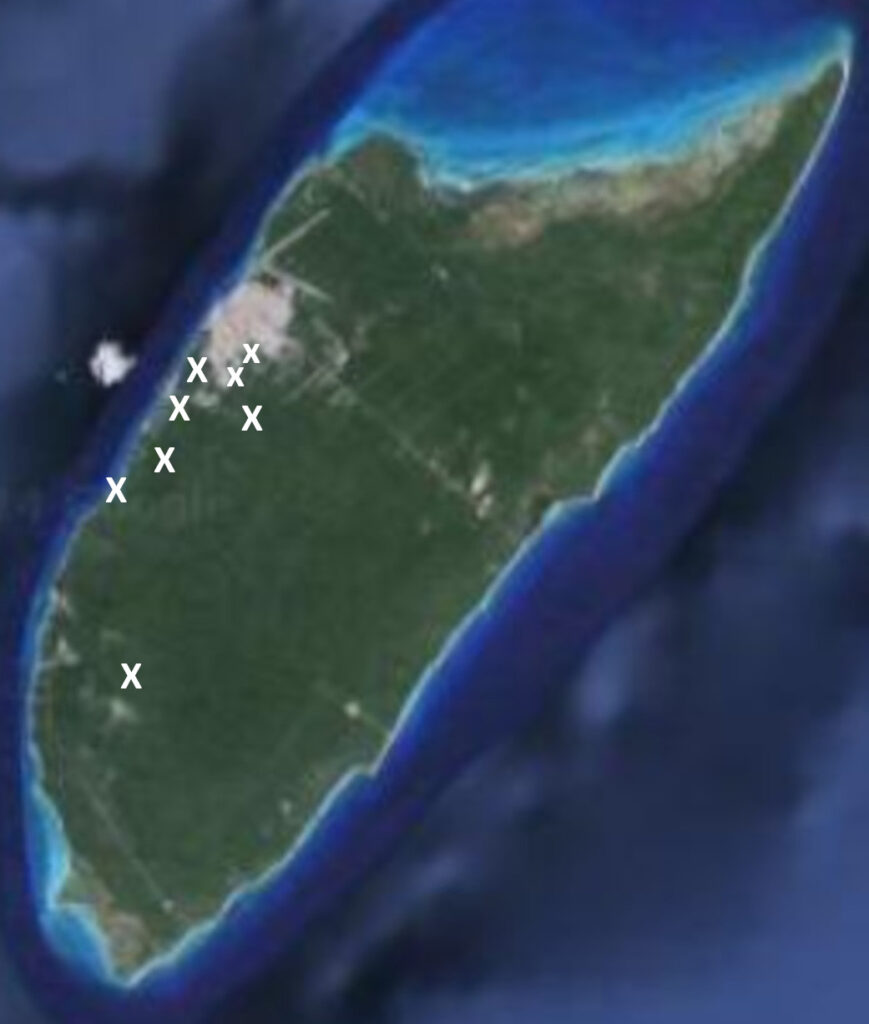
Map of Cave Systems (Cenotes) on Cozumel
Access & Safety
These submerged cave environments require formal cave diving certification, specialized equipment, and strict adherence to overhead diving protocols. This overview is informational in nature and does not substitute for professional training.
Featured in Beneath the Jungle of Cozumel
The effort to expand and connect portions of these systems is documented in Beneath the Jungle of Cozumel: Connecting the Crowns, which details the planning, setbacks, and measured progress behind system expansion.