
Cenotes of Cozumel – Hidden Cave Systems Beneath the Jungle of Cozumel
When people think of cenotes, they usually think of the Yucatán mainland. However, the island of Cozumel also contains many cenotes connected to underwater cave systems beneath the jungle of the island. These cenotes formed within the island’s limestone bedrock as freshwater slowly dissolved the rock over thousands of years. Although far fewer than the extensive cenote systems on the mainland, Cozumel’s cenotes provide unique access points into the island’s underground cave network.
Known Cenotes on Cozumel
Quebrada (Chankanaab)
The longest documented cave system beneath the jungle of Cozumel, Cueva Quebrada has 15 documented cenotes and 3 additional openings along the shoreline. The main shoreline opening is located inside Chankanaab National Park.
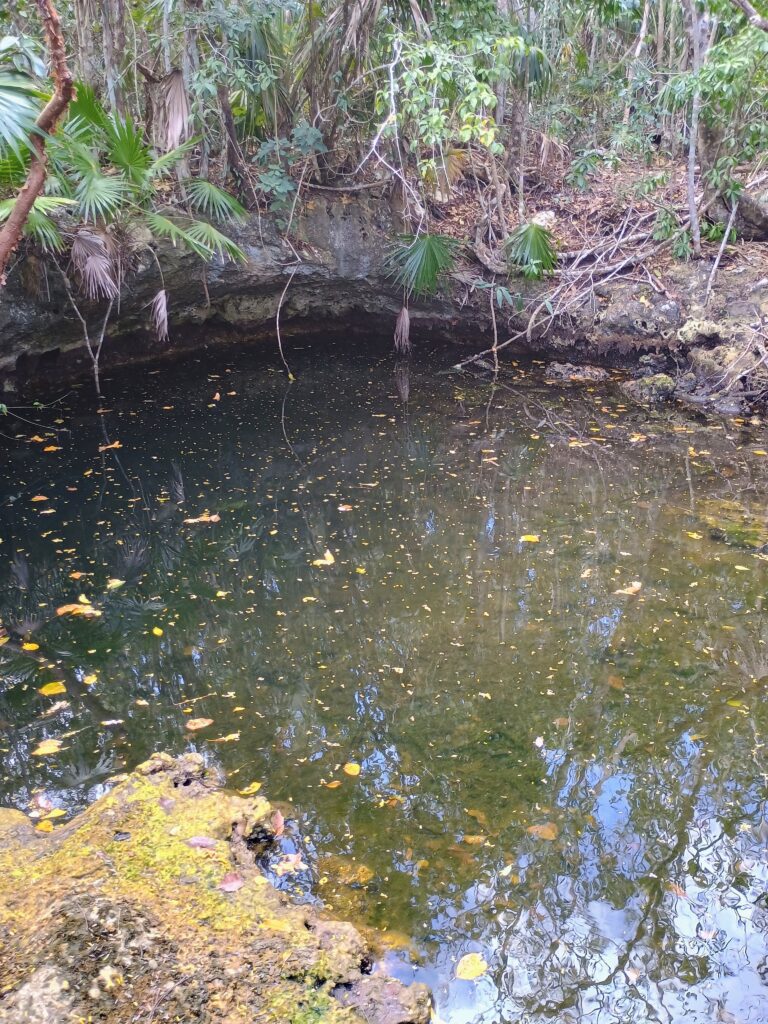
Chempita (Jade Cenote)
Located in the southern interior of the island near El Cedral, Chempita is one of the best known cenotes on Cozumel.
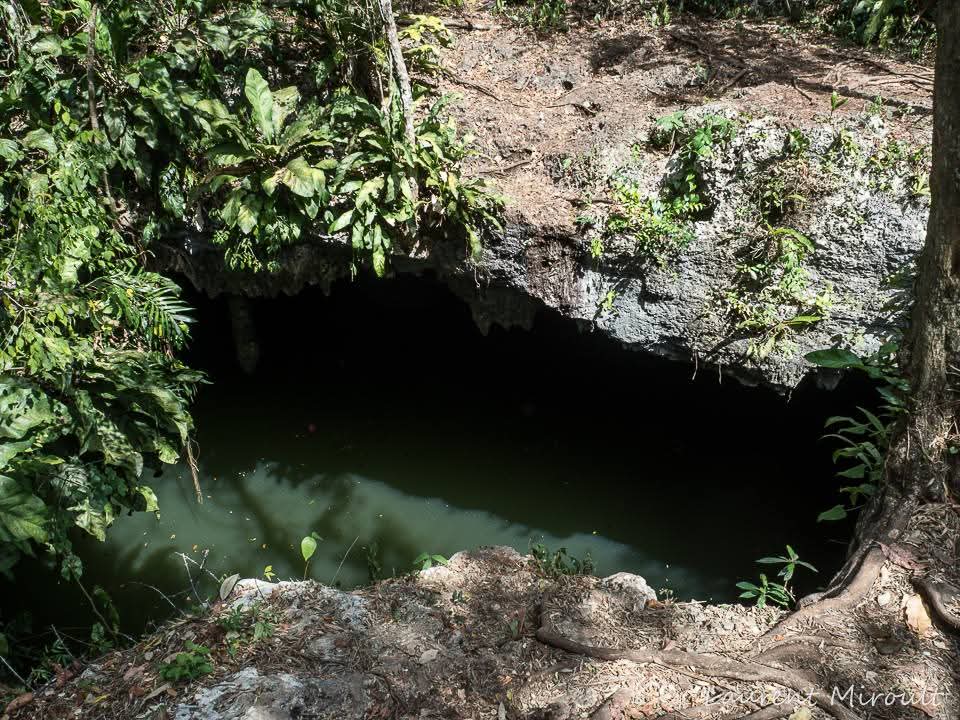
Aerolito Cenote
Located near the Caleta, Aerolito is the most visited cenote on the island of Cozumel. There are multiple entry points into the cave system from the cenote. There’s also a resident crocodile that can often be spotted sunning itself on the far bank.
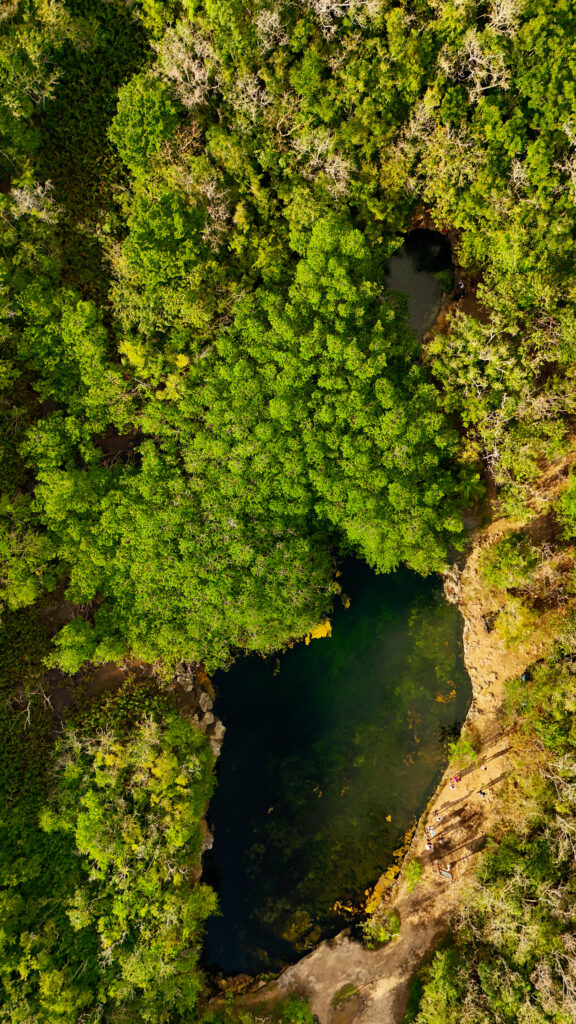
Cocodrilo Cenote
Located on the grounds of one of the resorts south of San Miguel, Cocodrilo is sometimes visited by tourists spending the day on the beach. There’s a resident crocodile that can sometimes be spotted nearby.
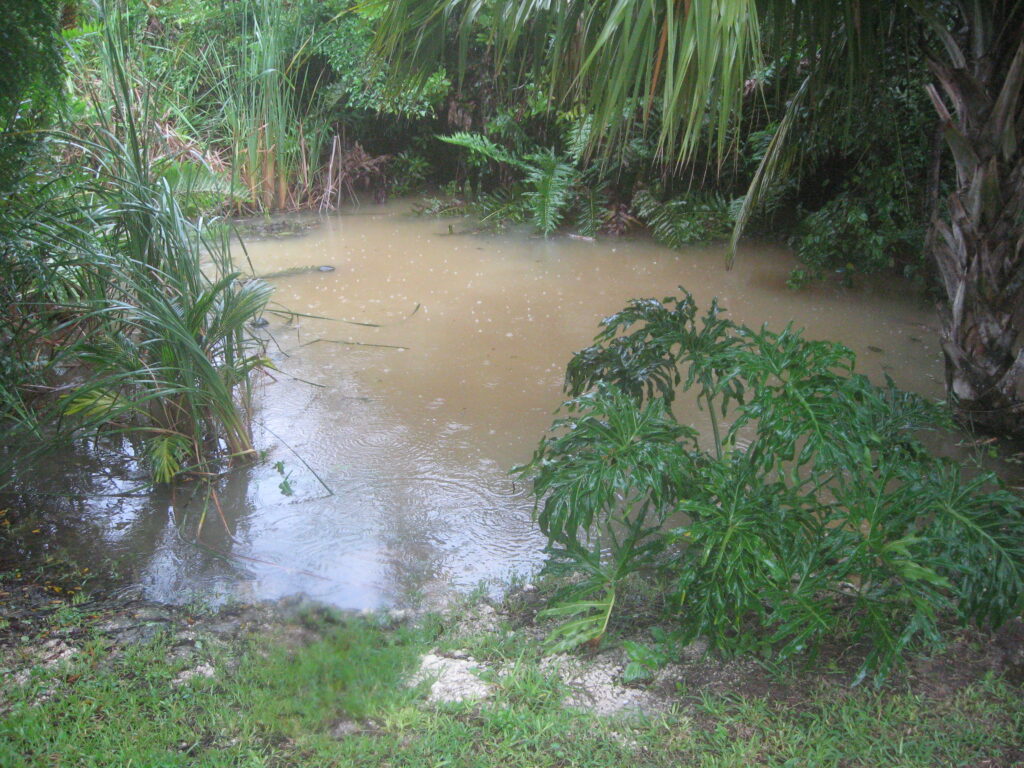
Tres Potrillos Cenote
Tres Potrillos is accessed through a very small cenote hidden within the jungle near the shoreline.
Sin Nombre Cenotes
Two cenotes located within the Royal Village Shopping Center provide access to the Sin Nombre cave system.
Kuuchi T’uuchtaj Cenotes
Two cenotes located deep in the jungle of Cozumel provide access to the Kuuchi T’uuchtaj cave system.
Why Cozumel Has Fewer Cenotes
Cozumel’s geology differs slightly from the mainland of the Yucatán Peninsula. While both regions are composed primarily of limestone, the island’s smaller size and geological history resulted in fewer surface openings into the underground cave systems. Many caves beneath Cozumel remain hidden below the jungle without obvious cenote entrances.
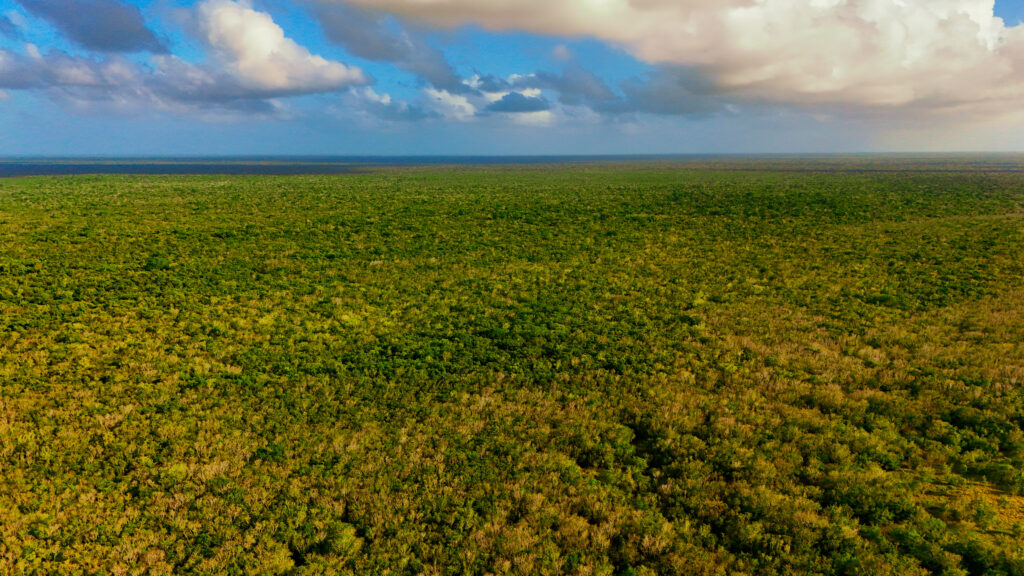
Many of the cenotes on Cozumel are hidden within this jungle canopy. There are no visible signs from above. No rivers, no openings. Only jungle. The cenotes are subtle openings living in the shadows and giving us access to vast underwater cave systems below.
The Hidden Underground Landscape
Although only a handful of cenotes are visible on the surface, the caves beneath Cozumel represent a fascinating underground landscape shaped by karst geology. These submerged passages formed when sea levels were lower and the caves were dry. As sea levels rose following the last ice age, the caves flooded, creating the underwater cave systems that exist beneath the island today.
Cenotes Near the Cruise Port
Sin Nombre has two cenotes within walking distance of the cruise port terminal. Walk out of the terminal and take a left heading north. A few steps away, you will see the Royal Village Shopping Center. The two cenotes are located in the courtyard. One can be seen from the street.
See also: Map of Cave Systems on Cozumel
Return to Cozumel Cave Systems